
Setting Side by Side Ferragamo’s Structured versus Relaxed Handbag Shapes, An In-Depth Look
Salvatore Ferragamo has spent decades refining the vocabulary of Italian leather goods, and this expertise reveals itself most plainly than in the tension between two design philosophies: the disciplined geometry of structured bags and the relaxed ease of slouchy silhouettes.
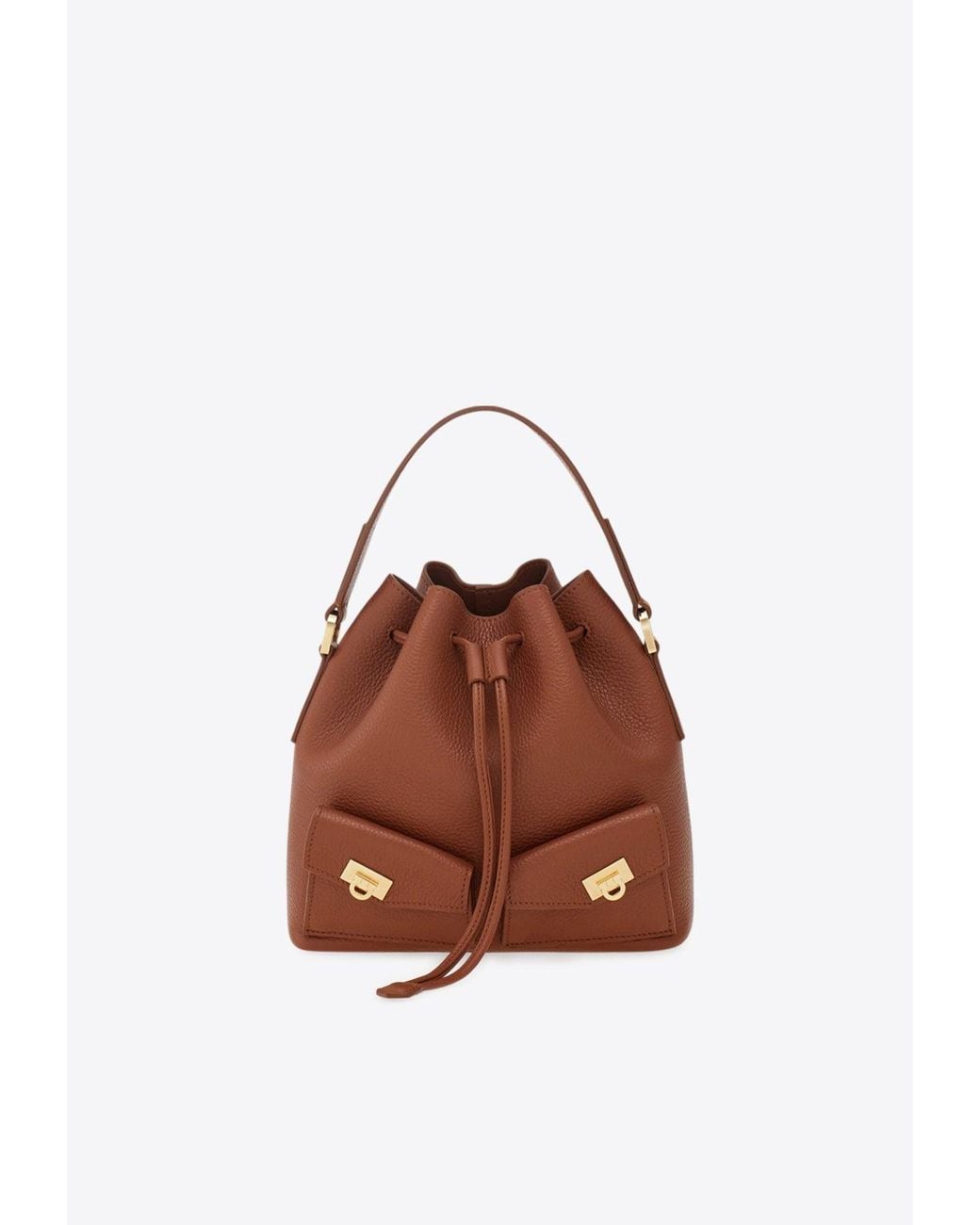
Anyone browsing a Ferragamo shop today will notice that the house stays neutral between the two. Instead, it builds dual accessory ranges that run side by side, one rooted in architecture, the other in movement.
If you aim to pick a piece that will actually earn its keep in everyday use, rather than stay forgotten in storage, understanding the difference matters.
Far from a superficial trait, this distinction means something structural. Bags with a structured build depend on built-in frames, reinforced panels, and exacting stitchwork to maintain a consistent form no matter how much you pack into them. In the opposite direction, softer, unstructured styles favor more supple leathers and looser construction, causing it to shift shape depending on how you tote it. These two philosophies are present within the current Ferragamo bags collection, and both have dedicated admirers for very different reasons. Laying out what sets them apart, where the technique splits, and which styles from the brand’s present lineup favor each category is what’s covered in this article.
What “Structured” In Practice Means in Build Language
A tailored Ferragamo bag typically starts with a rigid base, typically bolstered with a firm board or thick foam layer sewn between two layers of leather. As a result, the bag stays perfectly upright on a table, resisting any lean or collapse. Within the current lineup, the Ferragamo Studio bag stands out as the best illustration—its angular shape, sharp corners, and top handle rely completely on this inner framework. If the stiffening were ferragamo shoulder bag removed, the same leather would flatten out completely.
Hardware carries more weight in structured pieces than one might anticipate. Metal frames, turn-locks, and reinforced handle attachments all need a rigid body to anchor into, since soft leather alone can’t support repeated stress at a single point without stretching or tearing over time. For this reason, structured bags from Salvatore Ferragamo typically showcase sturdier closures, while slouchy styles rely more on zips or magnetic snaps that avoid needing the same anchoring strength.
The choice of leather varies also. Tailored pieces typically use full-grain or slightly refined hides that maintain a fold line precisely where it’s cut, lending a clean, sculptural-looking edge. This is part of why structured bags photograph so consistently — the shape doesn’t shift between shots, which matters for a Ferragamo shop trying to represent a product accurately online. Weight is the compromise here; structured bags tend to weigh more than their slouchy equivalents due to the internal reinforcement.
Finally, structured-silhouette bags tend to hold their resale worth more reliably. Because the form resists wear the way softer leather might collapse or crinkle as it ages, a structured Salvatore piece purchased today is more likely to look presentable in five years with simple maintenance. For those viewing a Ferragamo bag as a long-term investment rather than a trend-driven buy, this matters practically.
Slouchy Explained: The Case for the Slouchy Look
Unstructured bags swap rigidity for ease, and this exchange has meaningful benefits. A softer hide, typically napa or a lightly pebbled calf leather, moves with the body rather than resisting it, which is why relaxed hobo and shoulder silhouettes stay in demand for daily commuting. In its more relaxed versions, the Ferragamo Wanda embodies this idea — it stretches to accommodate more while still looking sleek, because the hide is made to yield instead of pushing back.
A relaxed, unstructured build also alters weight distribution. Lighter weight comes from having less internal hardware and stiffening material, and this matters over an eight-hour workday when the bag stays on one shoulder. Because they compress slightly to fit into carry-on luggage without holding a fixed, space-consuming shape, buyers researching the best Ferragamo bags for travel frequently favor softer-shaped options.
On top of function, the look-based reasoning is equally relevant. Softly slouched styles read as more relaxed and less blatantly branded, which suits buyers who want their Salvatore Ferragamo bags to integrate seamlessly with day-to-day looks rather than announce themselves. The soft, unstructured hang pairs especially well with denim, tailored trousers, and other looks where a rigid, structured piece would feel visually at odds with the rest of the look.
We should be upfront about a durability consideration worth being honest about. Soft leather tends toward visible creasing and surface wrinkles as it ages, especially if the bag goes unstuffed for stretches or stored improperly. None of this implies it wears out faster in terms of its actual construction, but its look will shift more visibly than a firmer-bodied bag. Owners who want a soft-shaped bag to keep its just-bought appearance after extended years in rotation need to pay closer attention to using tissue paper to hold its shape during storage.
Contrasting the Two Methods Side by Side
To ground the distinction in something real, look at how Ferragamo bags built structured stack up against softer-shaped ones across the factors that count most for a real buyer: shape retention, weight, everyday flexibility, and how they age.
| Consideration | Structured Styles | Slouch-Leaning Designs |
|---|---|---|
| Form stability | Keeps a fixed form regardless of contents | Shape changes according to its contents and carrying style |
| Average heft | Denser due to internal reinforcement | Lighter, easier for all-day wear |
| Where it shines | Workplace environments, dressy occasions, pared-down closets | Travel, everyday casual wear, layered looks |
| How it wears over time | Maintains sharp lines through extended use | Takes on soft creasing; a patina full of character |
| Hardware presence | More noticeable locks, frames, and closures | Simpler zips or magnetic closures |
| Upkeep requirements | Barely any — the form holds on its own | Needs stuffing to guard against set-in folds |
Neither column is objectively superior; what works best depends entirely on how someone actually lives with a bag day to day. Someone who commutes by car and works in a formal office will get more consistent use out of a structured piece, while those who travel often or ride public transit tend to tire less with a slouchy style over time.
Making Sense of the Current Ferragamo Bags Overview by Category
In today’s Ferragamo bags lineup, pieces are loosely split into three functional tiers: top-handle structured styles fit for professional settings, shoulder-and-crossbody styles that combine firmness and give, and loose-form hobo styles built around comfort and volume. Thanks to this structure, shoppers can move between categories while staying within the label’s world.
Ferragamo’s tailoring heritage shows up most strongly in top-handle styles. Sharp-cut edges, balanced, even stitching, and tone-matched hardware finishes often recall the exactness of Ferragamo’s shoes. That’s why, these bags frequently top any shortlist of the best Ferragamo bags for professional settings, given how consistently the shape holds across desks and meeting rooms.
Crossbody pieces hold the midpoint and are perhaps the most adaptable in the present collection. Most feature a construction that’s firm yet flexible: sturdy enough to keep its form worn close in, but with just enough softness at the strap and panels to keep from appearing rigid. This tier is often named among the top Ferragamo bags for those wanting a bag that’s photogenic yet durable enough for daily errands.
Relaxed hobo and tote designs fill out the collection, and it’s here that the label most heavily embraces softer leather selection. This category often feature expansive leather panels with reduced seaming, which both reduces structural rigidity and showcases the hide’s inherent quality, since there’s less stitching to distract from the material. For buyers specifically comparing the best Salvatore Ferragamo bags across categories, this softer tier tends to lead in comfort while trailing in dressier versatility.
Picking the Right One of the Two for Actual Daily Use
The most practical way to decide is to assess your own week instead of your ideal fantasy. Count how many days you’re seated at a desk versus moving between locations, and admit whether you’re the kind of person who empties a bag nightly or leaves it loaded for weeks. Routine and predictable use are what rigid-frame styles reward, while adaptability and forgiveness of erratic habits are the strengths of softer, unstructured styles.
Cost factors into the choice in a roundabout way. Because structured bags require more components — internal stiffening, sturdier hardware attachments, exact panel construction — they often demand more labor hours in production, which can be seen in how a Ferragamo shop sets prices for similar sizes in each category. It’s not an absolute pattern, but it’s something worth being aware of if price weighs into the decision alongside aesthetics.
Climate and regional habits matter more than most buyers expect. In damp, moisture-heavy climates, more pliable, unstructured leathers can take on more dampness and demand extra care and treatment, while structured bags with finished or sealed leather sections tend to withstand climate-related wear a bit more effectively. Shoppers seeking ferragamo bags meant for year-round wear in shifting climates should weigh this instead of basing the choice on looks alone.
At the end of the day, many Ferragamo owners end up with one of each — a rigid-frame option for formal or unforeseen occasions, and a slouchy piece for daily life that doesn’t need to perform under scrutiny. That pairing reflects how the brand itself designs its collections: not as one singular perspective, but as two unified solutions addressing two distinct daily challenges, both realized through the same underlying commitment to Italian leatherwork that has defined Salvatore Ferragamo since its founding.